
Cat Litter and UTI: Can the Wrong Litter Affect Hygiene?
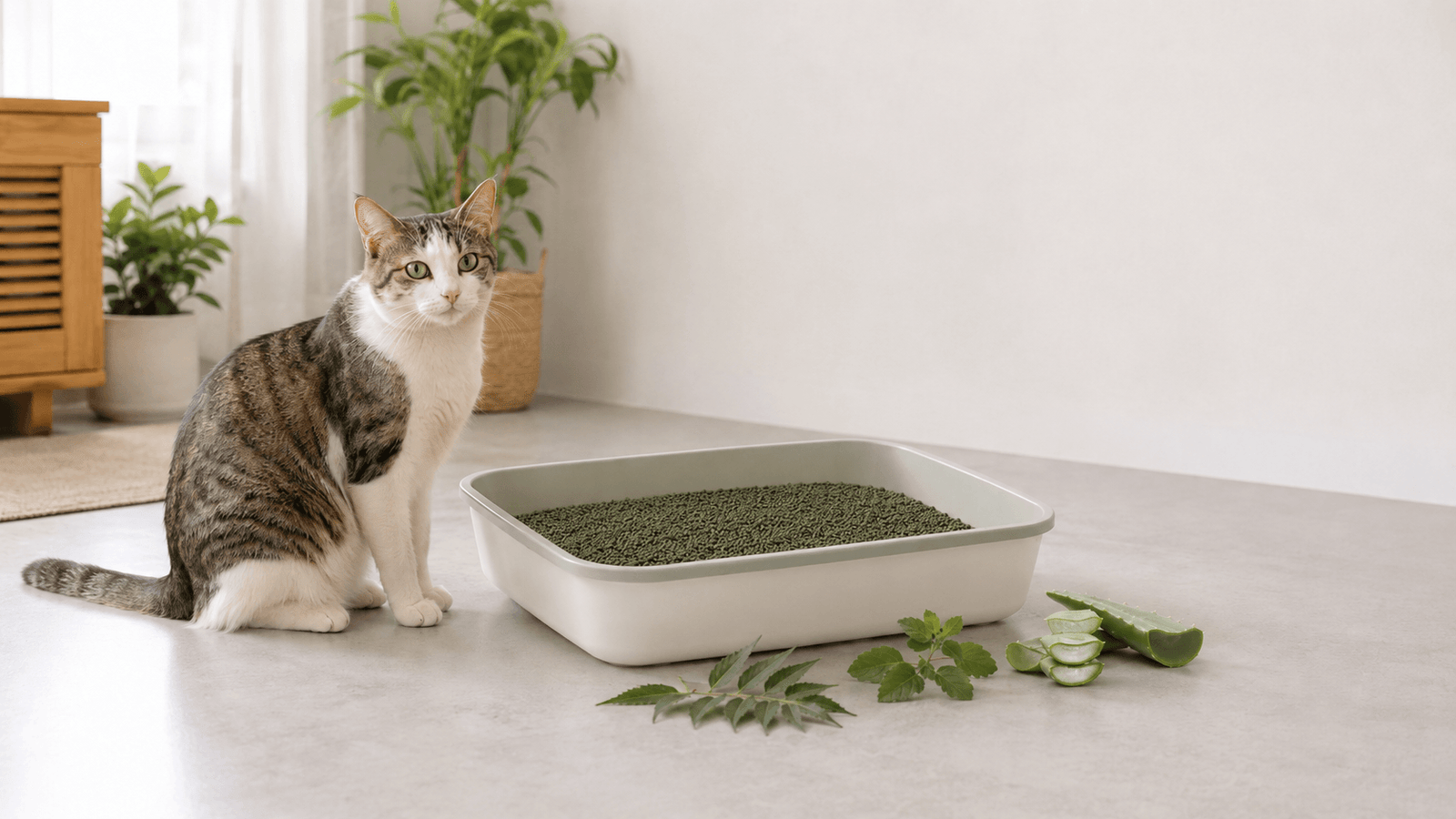
Urinary issues in cats can be stressful for both cats and pet parents. Frequent litter box visits, crying while urinating, blood in urine or peeing outside the litter box are signs that should never be ignored.
A cat’s litter may not directly “cause” a UTI, but litter box hygiene, dust, discomfort and stress around the litter box can affect how often your cat uses it — and how clean their toilet routine stays. UTIs and other urinary problems in cats can have several causes, including bacterial infection, inflammation and underlying medical conditions, so veterinary diagnosis is important.
First, What Is a UTI in Cats?
A urinary tract infection happens when bacteria affect the bladder or urinary tract. However, not every urinary problem is a UTI. Cats may also suffer from urinary crystals, bladder inflammation, stones or stress-related urinary issues.
Common warning signs include:
If your cat is trying to pee but little or nothing comes out, especially in male cats, it can be an emergency. Contact a vet immediately.
Can Cat Litter Affect Urinary Hygiene?
The wrong litter may not directly create a UTI, but it can contribute to poor hygiene or litter box avoidance.
Here’s how.
1. Dirty Litter Can Discourage Use
Cats are naturally clean animals. If the litter box is dirty, smelly or wet, your cat may hold urine longer or look for another place to pee.
A clean litter routine helps your cat use the box regularly and comfortably.
2. Dusty Litter Can Irritate Cats
Dusty litter can make the litter box unpleasant, especially for sensitive cats. Some cats may avoid the box if they dislike the dust, smell or texture.
3. Strong Fragrance Can Be Off-Putting
Many pet parents like scented litter, but cats may not. Strong artificial fragrance can make the box uncomfortable for sensitive cats.
4. Texture Matters
Some cats prefer sand-like textures, while others adjust better to clumping litter or herbal litter. If your cat dislikes the feel of the litter, they may avoid using the box.
5. Poor Odour Control Can Lead to Stress
A smelly litter box is unpleasant for both cats and humans. Odour control helps maintain a cleaner, calmer toilet space.
Litter Box Hygiene Tips for Urinary Health
To support better urinary hygiene:
A clean and comfortable litter box does not replace medical care, but it can help reduce stress and encourage healthy litter habits.
When Should You See a Vet?
See a vet if your cat:
Medical conditions are a common reason cats avoid the litter box, and veterinary groups recommend checking for health issues when litter habits change.
Cat litter alone does not usually cause a UTI, but the wrong litter and poor litter hygiene can make your cat uncomfortable, stressed or less willing to use the box. A clean, low-dust, odour-controlling litter can support better hygiene and happier litter box habits.
Try Mysons Cat Litter Range
Mysons offers Bentonite Cat Litter, Sand Cat Litter and Herbal Cat Litter — designed for Indian homes and everyday cat hygiene. Choose the texture and formula your cat is most comfortable with, while keeping your home cleaner and fresher.
Explore Mysons Cat Litter on www.shopmysons.com